
We say no when no is right
Water from the regional system is soft for most of the year. Plenty of houses here don't need a salt softener, and we'll tell you that before we ever talk price.
We'll tell you when you don't need a softener · (650) 727-9630
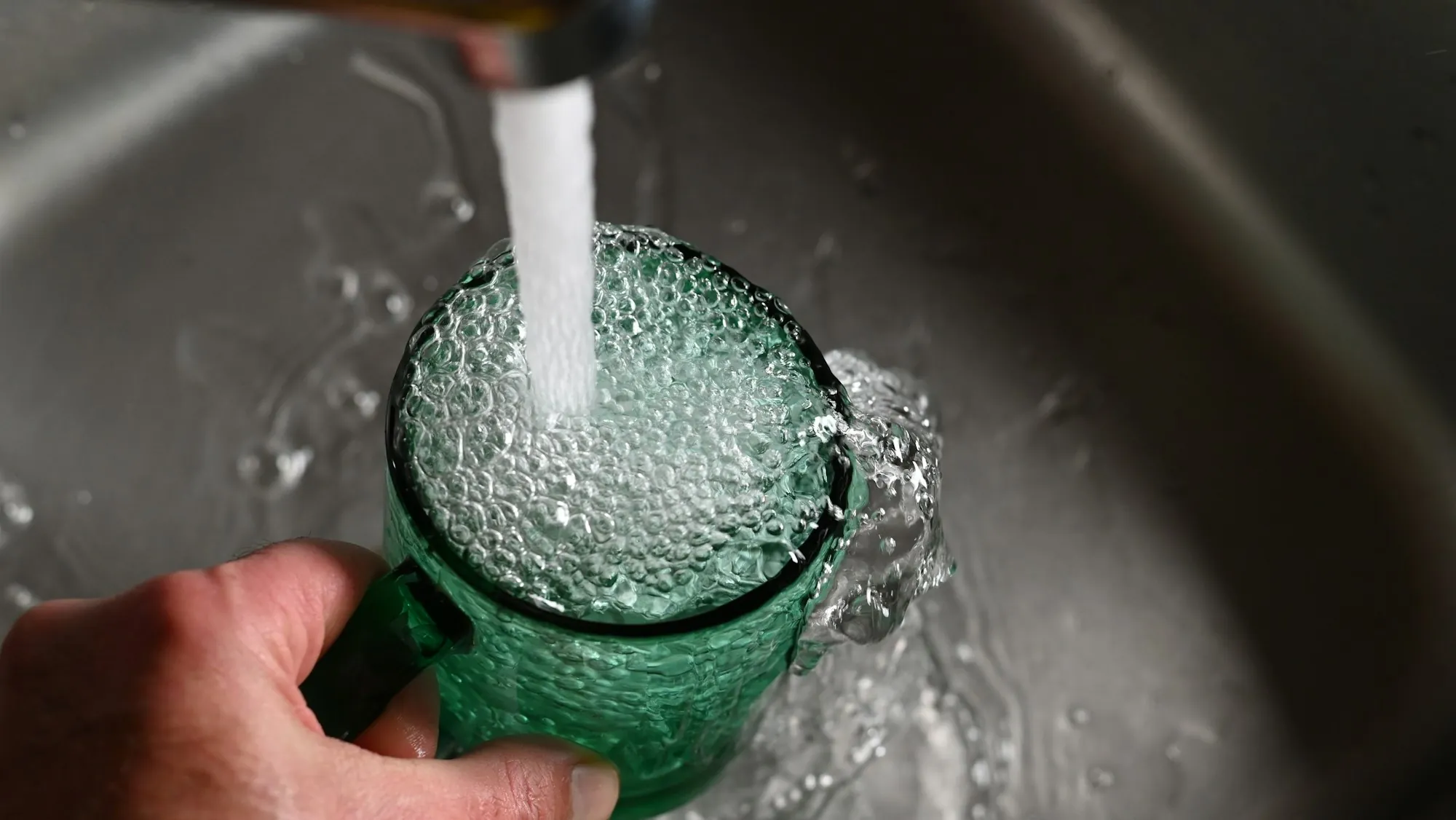
Peninsula water, measured first
Your water comes from the Sierra and gets treated with chloramine on the way. We read what reaches your tap in San Mateo, Burlingame, Foster City or Belmont, then tell you plainly what fixes it and what doesn't need fixing.
Fourteen services, one crew
Every job here starts with a number from your own tap. Pick a service to see what the visit involves, what we fit and why it matters on the Peninsula.
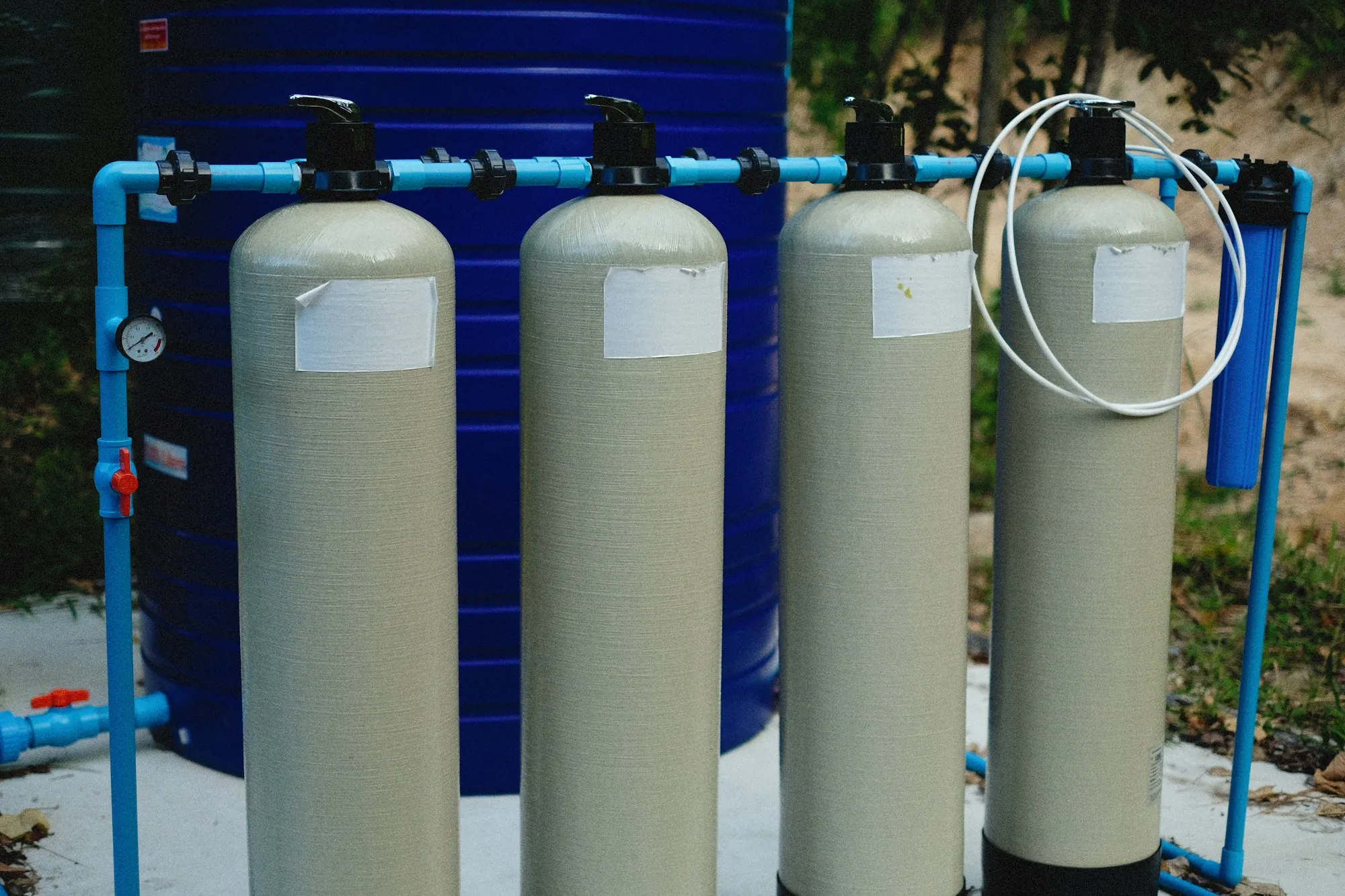
One point-of-entry system at the main line treats every tap, shower, and appliance in the house. Catalytic carbon takes the chloramine edge off San Mateo water before it reaches your skin or your coffee.
What's involvedSan Mateo water is usually soft, so we put in a softener only when a hardness reading says it is worth it. For wells and homes with real scale trouble, an ion-exchange unit stops spotting and buildup.
What's involvedA multi-stage reverse osmosis system under the kitchen sink strips dissolved solids, lead, and chloramine taste from your drinking water. You get clean water from its own faucet for drinking, coffee, and cooking.
What's involvedA compact filter under the kitchen sink cleans up drinking and cooking water without a big system. It targets lead and chloramine taste right where you fill the glass.
What's involvedActivated and catalytic carbon pull chlorine, chloramine, and off tastes out of your water. It is the most common fix for the pool smell some people notice in Peninsula tap water.
What's involvedUltraviolet light inactivates bacteria and viruses as water passes the lamp, with no chemicals added. It is the go-to protection for private wells in the hills and toward Half Moon Bay.
What's involvedTemplate-assisted crystallization media turns hardness minerals into tiny crystals that do not stick to pipes and fixtures. No salt, no drain line, and no electricity to run.
What's involvedPrivate wells on the coastside and in the hills get no municipal treatment, so the system has to be built around what your water actually carries. Sediment, iron, bacteria, and hardness each get their own stage.
What's involvedSand from a well or rust flaking off old galvanized pipe ends up in aerators, valves, and appliances. A spin-down or cartridge filter on the main line catches it first.
What's involvedOrange rings in the toilet and a rotten-egg smell at the tap usually trace back to a private well or old galvanized pipe. We find which one it is and treat it at the source.
What's involvedTankless and tank water heaters lose efficiency as scale builds on the heat exchanger. We measure hardness first and fit scale control only where it earns its keep.
What's involvedEspresso machines, ice makers, dishwashers, and salon basins all take a beating from untreated water. We fit filtration and, where needed, softening for small businesses across San Mateo.
What's involvedBefore you buy any filter, find out what's in your water. We take readings on site for hardness, chlorine and chloramine, TDS, pH, and iron, and explain what the numbers mean.
What's involvedSofteners that stop regenerating, RO systems that drip, UV lamps past their rated life. We diagnose and repair the water treatment equipment already in your house.
What's involvedMost San Mateo houses only need one or two of these. A reading tells you which, and the price is written before any work.
Book a reading: (650) 727-9630Big brands sell boxes. We sell the right answer for one house, which is sometimes a smaller box or no box at all.
Water from the regional system is soft for most of the year. Plenty of houses here don't need a salt softener, and we'll tell you that before we ever talk price.
We test chloramine, hardness, total dissolved solids and pH at your sink. You see each result as we take it. The recommendation follows the numbers.
You get a flat figure on paper before work starts. Parts, labor and haul-away are in it. The number on the invoice matches.
Most systems go in the same day we arrive. We book around your schedule, protect the floors, and leave the garage or cabinet cleaner than we found it.
Cartridges and media wear out on a schedule. We keep the dates and reach out when a change is due, so the system keeps doing its job.
Baywood bungalows, Shoreview ranches, Hillsdale condos. Old galvanized lines, tight sink cabinets and garage water heaters are routine for us, not surprises.
Three steps. No pressure at any of them.
A tech comes to your place and measures the water at the kitchen tap and the main. It takes about half an hour. You watch the meter, not a sales deck.
We explain what the readings mean for your house and lay out the one or two options worth considering. You get a written flat price for each. Take your time deciding.
On install day we plumb the system, flush it, re-test so you can see the change, and show you the bypass and the cartridge schedule. Most jobs wrap up in an afternoon.
What's in the glass
Most of the city buys its water from Cal Water, which draws on the regional San Francisco system. That means mostly Sierra snowmelt from Hetch Hetchy, blended at times with local Peninsula reservoirs like Crystal Springs.
It arrives soft and well treated. The trade-off is chloramine, a chlorine and ammonia mix that lasts longer in the pipes. Some people taste it. Some notice it on skin and hair. Basic pitcher filters struggle with it, and catalytic carbon handles it far better.
The other variable is your own plumbing. A house built before 1986 can have lead solder, and old galvanized lines shed rust. That is why we read the water at your tap, not just the utility report.
We work the stretch between SFO and Redwood City, plus the coastside over SR-92. The water varies a little from town to town, and the houses vary a lot. We plan for both before we pull up.
El Camino Real, the Alameda, Hillsdale Boulevard, Ralston. We know which routes clog at school pickup and plan visits around them, so we show up when we said we would.
Burlingame on Tuesday or Foster City on Friday, the booking window is the same. You get a confirmed arrival time, and a text if traffic on 101 moves it.
No regional call center. Ring (650) 727-9630 from Millbrae to Half Moon Bay and you reach the people who do the work and keep your service history.
US-101 & SR-92
El Camino Real
Foster City Blvd
I-280
Ralston Avenue
Holly Street
Woodside Road
Millbrae Avenue
I-380
SR-92 over the hill
Not on the list? If you're on the Peninsula, ask. We probably come your way.
Check your street — (650) 727-9630That flat, pool-like note is chloramine, and it's the most common thing we fix in town. One visit tells you how much is reaching your glass and what removes it.
Readings are taken on site. The price is written before any work.
The questions we hear most on the Peninsula, with the short version of each answer.
Water leaving the utility meets federal and state standards. What changes is the last stretch through your own pipes and the chloramine taste. We read the water at your tap so you know what's actually reaching the glass.
Often, no. The regional supply is soft most of the year. If your reading shows real hardness, or you're on a well, a softener can make sense. Otherwise San Mateo Water Filtration will steer you to carbon or drinking-water filtration instead.
It keeps water disinfected through miles of pipe, but it can leave a chemical taste and dry out skin for some people. Catalytic carbon, sized for your flow, removes it far better than a basic pitcher.
Homes plumbed before 1986 can have lead solder. A field reading can't confirm lead, so we'll explain how to get a certified lab sample and which filters are certified to reduce it under NSF/ANSI 53 or 58.
A filter removes things like chloramine, sediment or lead. A softener swaps hardness minerals for sodium. A salt-free conditioner changes how hardness behaves so it scales less. Different problems, different tools.
Most under-sink and whole-house systems go in during one visit, usually a few hours. Bigger well-water setups can take a full day. We tell you the timeline with the quote.
It depends on flow, plumbing access and the media your water needs. After the reading you get a written flat price for each option, so you can compare before committing to anything.
Sediment cartridges can need attention every few months, carbon tanks last much longer, and RO membranes run a couple of years in soft Peninsula water. We track the dates and remind you.
Yes. Burlingame, Foster City, Hillsborough, Belmont, San Carlos, Redwood City, Millbrae, San Bruno and the coastside around Half Moon Bay are all on our regular routes.
Usually. We change cartridges, swap UV lamps, rebuild valves and replace RO membranes on most residential systems. If a unit isn't worth repairing, we'll tell you why and what it would cost to replace.
A reading at your tap takes about half an hour and settles the softener question for good. Then you decide, with a written price in hand.
Serving San Mateo and the Mid-Peninsula, by appointment.