
Catalytic where it counts
Plenty of carbon filters sold online are rated for chlorine, not chloramine. We fit catalytic media for Peninsula water so the filter does the job you paid for.
We'll tell you when you don't need a softener · (650) 727-9630
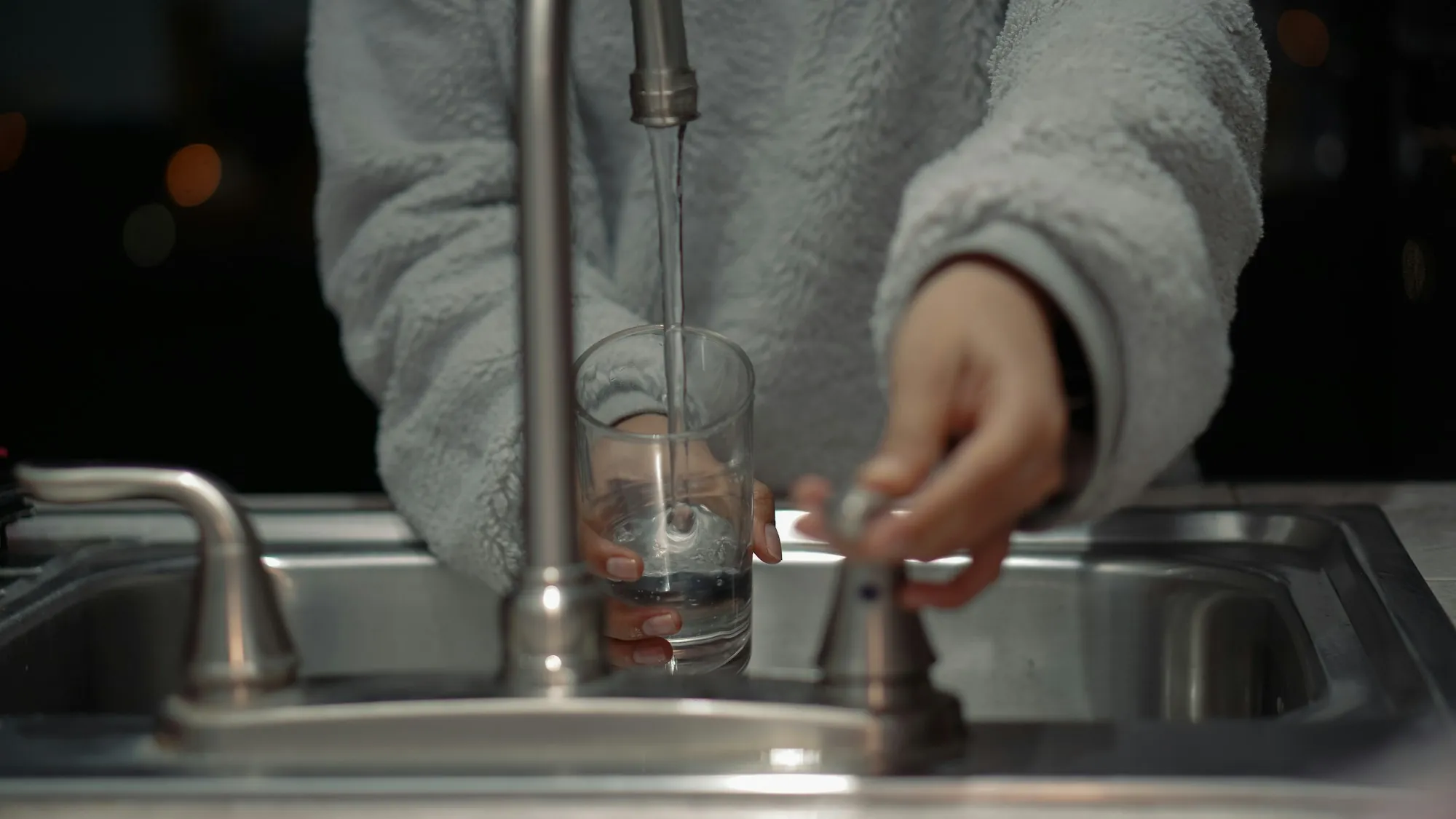
Taste and odor, sorted
Carbon media matched to chloramine, the disinfectant in most San Mateo tap water. We fit carbon systems for houses along Crystal Springs Road and right across the city.
Chloramine is the reason. San Mateo Water Filtration fits carbon filtration systems in San Mateo because the regional supply is disinfected with chloramine, a chlorine and ammonia blend that lasts in pipes and slips past basic pitcher filters. Catalytic carbon is built to break it down.
Most people reach out when the tap water tastes or smells like a pool, or when they want better water for coffee, tea, and cooking. The visit covers a chloramine reading, a recommendation on where the carbon goes, and the install.
Carbon is simple chemistry, but the details decide whether it works on chloramine.
We measure total chlorine at the tap, which tells us how much chloramine the carbon has to handle. That figure sets the media type and amount.
Standard activated carbon is fine for chlorine and general taste. For chloramine, we use catalytic carbon, which has a treated surface that breaks it down much faster.
Carbon needs time in contact with water to work. We size the tank or block so flow is slow enough for real reduction.
For the whole house, a carbon tank on the main line treats showers, laundry, and every tap. It suits people who notice the smell in the bathroom as much as the kitchen.
For drinking water only, a carbon block under the sink is smaller and cheaper. It is often all a kitchen needs.
A pre-filter keeps rust and grit from clogging the carbon bed. This matters in houses around Sugarloaf and Laurelwood with mixed plumbing.
Larger tanks use a valve that keeps the media bed loose and evenly used. That keeps taste steady from the first gallon to the last.
New carbon releases fine dust. We flush it out until the water runs clean before anyone drinks it.
You get a written note of when the cartridge or the media is due. Carbon wears out quietly, so the schedule matters more than taste.
We take a total chlorine reading at the kitchen tap and a shower. We ask what bothers you most: taste, smell, or dry skin. Based on that, we recommend a point-of-use block, a whole-house tank, or both. Plan on fifteen to thirty minutes.
Point-of-use blocks go in under the sink, usually in about an hour. A whole-house tank goes on the main line with a bypass, which takes a few hours. Either way, the work is done in one visit.
We take a second total chlorine reading after the flush. You see the chloramine figure fall sharply on the meter. We hand over the replacement schedule and the part numbers.
Plenty of carbon filters sold online are rated for chlorine, not chloramine. We fit catalytic media for Peninsula water so the filter does the job you paid for.
Contact time and media volume are set from your measured residual and flow. That is the difference between a filter that works and one that just sits there.
If a kitchen block solves it, we will not push a whole-house tank. If the smell is in every shower, we will tell you that too.
A carbon system is the most direct fix for chloramine taste in San Mateo. Book a reading, see the residual for yourself, and get a written quote for the setup that fits your place.