
We find the real source
Hot-side odor, galvanized rust, and well iron each need a different fix. Checking first saves you from buying the wrong equipment.
We'll tell you when you don't need a softener · (650) 727-9630
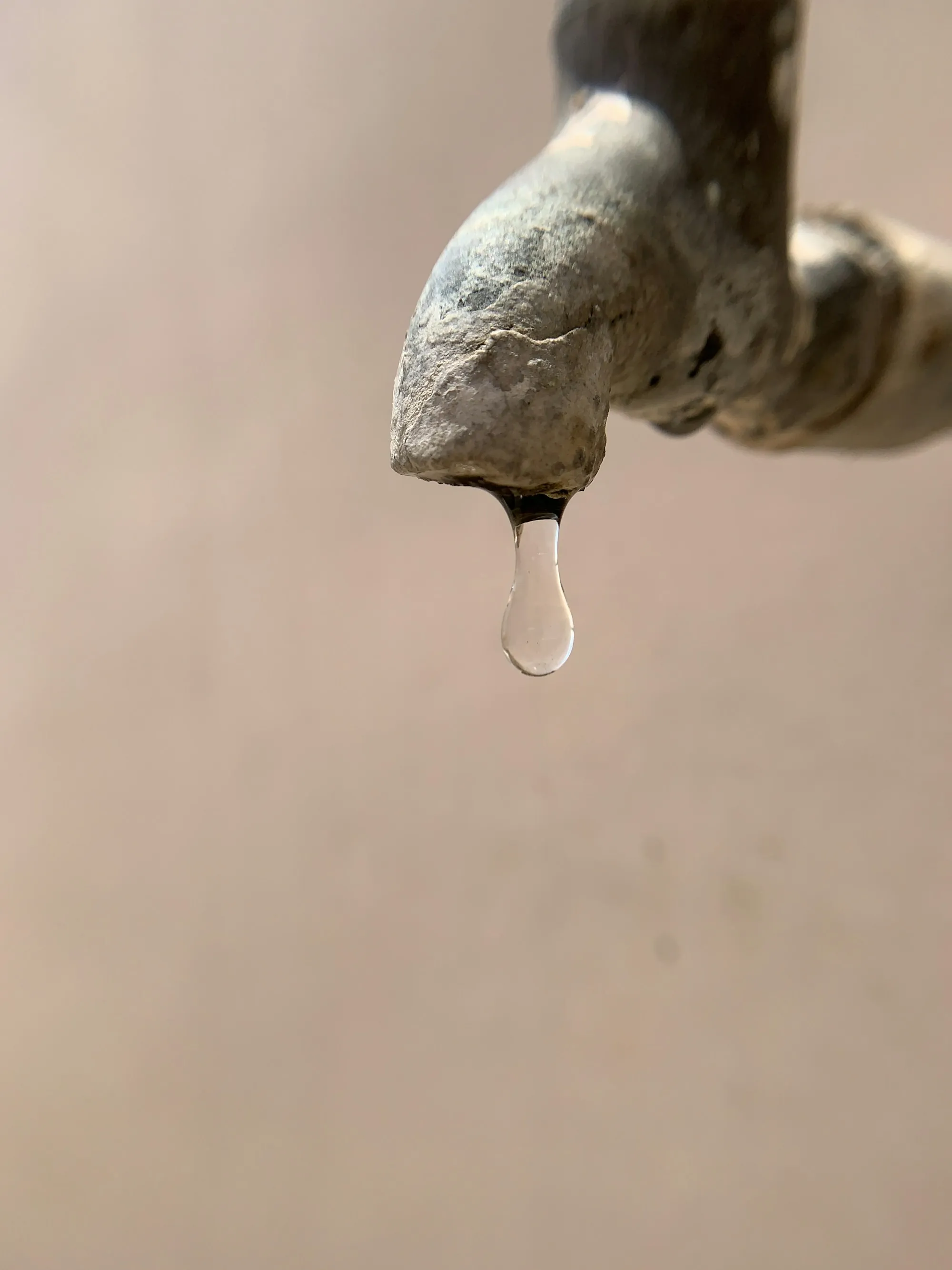
Stains and odor
Rust stains or a sulfur smell at a house off Crystal Springs Road or out on the coastside? We take readings in San Mateo and fit oxidizing filtration that deals with both.
Ask yourself where the smell shows up. If it's only the hot tap, the cause may be the water heater, not the water. San Mateo Water Filtration handles iron and sulfur removal for San Mateo properties, and sorting out the real source is the first job.
Most true iron and hydrogen sulfide problems we see come from private wells toward Half Moon Bay and in the unincorporated hills. In town, rust staining more often comes from older galvanized pipe. The visit covers readings for iron and pH, a hot-versus-cold smell check, and a look at the plumbing, then a straight answer about what will fix it.
Iron and sulfur both need to be oxidized before a filter can catch them. The method depends on how much is there.
We measure iron on site and check pH, since oxidizing media works best in a certain range. Manganese gets flagged if the staining is black or brown rather than orange.
Rotten-egg odor on the cold side points to the water itself. On the hot side only, it's often bacteria reacting with the heater's anode rod.
An air pocket at the top of the tank oxidizes iron and sulfur, then a catalytic media bed traps it. No chemicals to add, and the unit backwashes itself on a timer.
Low levels of hydrogen sulfide can be handled with catalytic carbon alone. It's a smaller, simpler install when the readings allow it.
Wells with a lot of iron, sulfur, or iron bacteria may need a metered chlorine or peroxide feed ahead of the filter. We only recommend it when the numbers call for it.
Slimy orange or brown buildup in the toilet tank is a sign of iron bacteria. That changes the plan, and usually means shocking the well before treatment goes in.
A spin-down or cartridge stage keeps loose rust and sand off the oxidizing media. The media lasts longer and backwashes cleaner.
When the smell only comes from the hot side, a different anode rod in the water heater often fixes it. We tell you that before quoting any filter.
Once the source is treated, new rust stains stop forming. We point you to the right cleaner for fixtures and laundry so the existing marks come out.
We run the hot and cold taps, take readings for iron and pH, and look at your pipes and the well setup. You hear what we think is going on as we go. If iron bacteria or heavy sulfur is likely, we suggest a lab sample to confirm it. Allow about an hour.
You get a written quote naming the filter, the media, and any prefilter or feed system. If the answer turns out to be an anode rod or a pipe issue, the quote says that instead. There is no pressure to decide on the spot.
Most oxidizing filters are put in during one visit, typically half a day to a full day. We set the backwash schedule, run the system, and take a follow-up iron reading at the tap. You'll smell the difference before we pack up.
Hot-side odor, galvanized rust, and well iron each need a different fix. Checking first saves you from buying the wrong equipment.
Light sulfur, heavy iron, and iron bacteria are not the same job. We pick the oxidizing method from your numbers, not from a one-size system.
Air-injection filters regenerate themselves and need little more than an occasional check. We show you what to look for so small issues don't turn into stained laundry.
Orange rings and rotten-egg odor are fixable once you know the cause. Book a visit, and we'll take readings, check the hot and cold sides, and recommend the simplest fix that works.